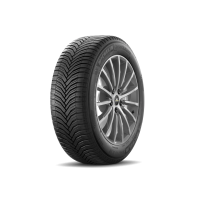
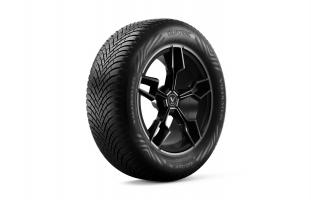
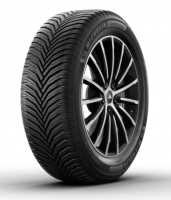
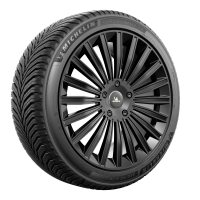
Michelin CrossClimate+
OrologioNel febbraio 2017, Michelin ha lanciato MICHELIN CrossClimate+, che continuerà a combinare il meglio dei pneumatici estivi e invernali con prestazioni di lunga durata.
Premi
Tutti i Test
Visualizza i risultati del testPneumatici Alternativi
| Size | Fuel | Wet | Noise |
|---|---|---|---|
| 14 pollice | |||
| 185/60R14 86 H XL | C | C | 68 |
| 165/70R14 85 T XL | D | C | 68 |
| 175/65R14 86 H XL | C | C | 68 |
| 15 pollice | |||
| 185/65R15 92 T XL | C | B | 68 |
| 195/55R15 89 V XL | C | B | 69 |
| 195/65R15 91 H | C | B | 69 |
| 185/65R15 92 V XL | C | B | 68 |
| 195/65R15 95 V XL | C | B | 69 |
| 16 pollice | |||
| 205/60R16 96 H XL | C | B | 69 |
| 205/60R16 96 V XL | C | B | 69 |
| 205/55R16 94 V XL | C | B | 69 |
| 205/55R16 91 H | C | B | 69 |
| 215/60R16 99 V XL | B | B | 69 |
| 205/60R16 96 W XL | D | B | 69 |
| 17 pollice | |||
| 215/55R17 98 W XL | C | B | 69 |
| 225/50R17 98 V XL | C | B | 69 |
| 225/50R17 98 W XL | D | B | 69 |
| 215/45R17 91 W XL | C | B | 69 |
| 215/55R17 94 V | C | B | 69 |
| 225/60R17 103 V XL | B | B | 69 |
| 205/50R17 93 W XL | C | B | 69 |
| 225/45R17 94 W XL | C | B | 69 |
| 18 pollice | |||
| 245/45R18 96 Y | C | B | 71 |
| 255/35R18 94 Y XL | C | B | 71 |
| 225/40R18 92 Y XL | C | B | 69 |
| 245/40R18 97 Y XL | C | B | 69 |
| 245/45R18 100 Y XL | C | B | 69 |
| 225/40R18 92 Y XL | D | B | 71 |
Domande e risposte per il Michelin CrossClimate Plus
Fai una domandaI am considering buying a set of Crossclimates for my Jaguar - the size is 225/60 16 102W. Discovering the tyre is about to be replaced by the Crossclimate+ is making me hesitate! Michelin introduced the original Crossclimate in a fairly narrow set of sizes - my 225/60 16 was not one of them. Is Michelin likely to do the same thing with the new Crossclimate+ - with the slightly less popular tyre sizes like mine being introduced later - in which case I should just go ahead and order the original Crossclimate, rather than wait for the Crossclimate+? Does anyone know how Michelin has improved the tyre? - Is the new tyre a better compromise (better warm dry braking and handling) or is it less fundamental tweaking?
I am considering buying either 4 Michelin CC Plus or Goodyear Eagle Asymmetrical 3 for my Jag XF 2.2, tyre size 245/45/R18. I live in semi rural Wales just outside Cardiff and although I probably wont be exceeding 10,000 miles a year, I will be driving around the welsh valleys on A and B roads with my new job more than I have previously when I used to catch a train more often than not. Its the million dollar question of whether to pay for winter tyres or just a good quality summer tyre and now we have the option of an all-season/ weather tyre. I don't do any high performance driving etc. We are yet to have another harsh winter since 2012 but no doubt this year will be the year. I was after some advice on the suitability of these two tyres for my car and driving situation as a good all rounders but being able to handle a cold snap should it arrive. Also whether I could realistically consider a slightly cheaper tyre that would fit the bill? Thanks There is a £30 difference in price on blackcircles.com
Can someone please help me to decide between 91H and 94V XL. I am going to get 4 of Michelin cross climate plus tyres in 205/55 R16 tyres for Mercedes B160 Sport. The current factory fitted tyres are 215/40 R18 89W XL contis.As I already had 16" wheels with winter tyres so I decided to go with cross climates instead of changing wheels and tyres twice a year. Now I am struggling to decide that should I get the specified speed and load rating of 91H with softer sidewalls or should I go with 94V XL with stronger sidewall. I don't mind paying little bit extra if there is any benefit. So can someone please help.
are these run flat tyres
I would love a set of CrossClimate+ on my car for a hustle free UK driving but iv got an 19" alloy with 225/40. They seem to produce at least one tyre in 19" but its a 255 and surely if they produce one they will produce others... My question is do they have other 19" sizes? Are they just unavailable atm?
I live in Yorkshire and drive an M140i. I am considering the CrossClimate+ as my only tyre but not sure if this is too much of a compromise in the summer? The car currently has Pilot Super Sports. Price is not important but driving enjoyment and safety all year round is.
Can you tell me what the thread depth is on the New Michelin CROSSCLIMATE SUV car tires?
I am looking at getting some new tyres for my car for winter would you say the Michelin crossclimate+ will be good for using all year or I can get another set of wheels for winter use for not that much money and put the cross climates on those to just use in the winter. I currently have Michelin summer tyres that need replacing anyway. I am a tyre fitter anyway so fitting isn’t a problem and can always swap wheels easily. What sort of difference would we feel in dry summer conditions with the cross climate.
I am delighted with the review in Finland of TYREREVIEWS, and I am running low on rubber on the front axle on my C class , w204, 225/45/ 17" . I am moving from Oxford to Norwich this summer, and when the fall hits us, I am wondering if the Michellin CC+ are still a good allrounder for the temperature changes, as that area seems to be drier than where I have lived until now?
Fai una domanda
Non pubblicheremo né condivideremo mai il tuo indirizzo email
Riepilogo della recensione
Basato su 106 recensioni degli utenti
La maggior parte degli automobilisti valuta positivamente il Michelin CrossClimate Plus per le sue prestazioni affidabili in tutte le condizioni atmosferiche, la lunga durata del battistrada, la bassa rumorosità/comfort e l'ottima aderenza su asciutto e su bagnato, con molti che lodano la capacità di affrontare inverni miti la neve. Una minoranza segnala svantaggi come la scarsa resistenza alle curve sul bagnato/all'aquaplaning, alcuni problemi di rumorosità/guida su alcune auto e una ridotta sportività; il giudizio complessivo è fortemente positivo, data l'elevata percentuale di recensioni >80%.
Punti di forza
- Durata/resistenza del battistrada
- Aderenza e frenata su asciutto
- Capacità invernale/su neve per condizioni miti
- Comfort di guida e bassa rumorosità per molti utenti
- Fiducia generale a tutto tondo
- Valore considerando la longevità
Aree di miglioramento
- Problemi di curve bagnate/aquaplaning
- Rumore più elevato o guida brusca su alcuni veicoli
- Sterzo/feedback meno sportivo
Top 3 Michelin CrossClimate Plus Recensioni
Latest Michelin CrossClimate Plus Recensioni
La MX-5 è un'auto leggera che pesa circa 1 tonnellata e 140 CV con il cambio motore VVT con differenziale aperto, il che ha reso relativamente facile la rotazione della ruota posteriore motrice per i budget originali del precedente proprietario. Con il CC+ montato ho dovuto intenzionalmente dare un calcio alla frizione per far slittare la ruota. Solo quando guidavo al freddo (
PRO:
- feedback/maneggevolezza asciutta - posso superare di gran lunga il limite di velocità fuori dalle città (scivola in curva a 120 km/h anche adesso); si avverte un "spigolo" pronunciato quando si gira ad alta velocità, sentendo il limite
- tenuta di strada perfetta sulla neve - ho percorso una strada non pulita e ho accelerato bruscamente, frenato, con il volante che sussultava da sinistra a destra; il massimo che ho ottenuto è stato un leggero sottosterzo, pneumatico MOLTO sicuro sulla neve
- usura - appena passata la mia immatricolazione/ispezione, sembrano ancora al 90% come quando erano nuove, è incredibile. L'ispezione visiva mostra la parte anteriore un po' più usurata (motore diesel con coppia elevata)
- tenendo conto dell'usura, in realtà un ottimo rapporto qualità-prezzo. Anche se inizialmente erano un po' più costosi, tutto si livella con il tempo
CONTRO:
- le prestazioni sul bagnato sono ottime in rettilineo (aquaplaning ecc.) ma sono nella media nelle curve strette, una volta ho sottosterzato in una corsia di sorpasso a 35 km/h in una curva stretta durante una giornata piovosa
- CC2 ha esagerato con l'aderenza sulla neve, il che mi rende difficile consigliare il modello attuale
Tuttavia, poiché gli pneumatici invernali dovrebbero avere almeno 4 mm, sono ormai quasi finiti come pneumatici invernali "certificati". E in tutta onestà, li ho spinti un po' più forte negli ultimi 5000 km rispetto a prima, quindi probabilmente li ho consumati un po' più della media per tutta la loro durata.
Ma la cosa divertente è che se da ora in poi le usassi solo come gomme estive, probabilmente durerebbero ancora circa 20-30.000 km!
Non lo farò, ma è comunque sorprendente.
Nel complesso queste gomme non mi hanno mai deluso e sono semplicemente molto impressionanti. Buona aderenza in tutte le condizioni e non ho mai avuto vere sorprese con loro. Le ho guidate in tutta Europa: nel caldo estivo a velocità elevata sulle autostrade, in molti viaggi quotidiani in città, occasionalmente su strade di montagna innevate, attraverso molti temporali torrenziali, su sentieri freddi fangosi/nevati/fangosi ecc. ecc.
Tutto sommato, probabilmente sono i migliori pneumatici che abbia mai avuto, e ne ho avuti parecchi.
Poiché la maggior parte delle recensioni afferma che gli pneumatici Crossclimate 2 sono più adatti alla neve rispetto a questi (di cui non ho bisogno), probabilmente cercherò un'alternativa di un altro marchio, ma complimenti a Michelin per i Crossclimate Plus!

Ottima tenuta in curva e frenata sull'asciutto
Ottimo su neve e ghiaccio
Anche guidando a velocità più sostenuta, gli pneumatici hanno durato oltre 20.000 miglia e hanno ancora 3/4 mm di battistrada.
Contro:
Non si comporta particolarmente bene sotto la pioggia. L'auto viene spesso trascinata dall'acqua stagnante. Tuttavia, sembra avere il controllo quando si rilascia l'acceleratore mentre si rallenta.
Non avevo bisogno di pneumatici all-season invernali perché vivo nell'East Anglia, dove raramente nevica in inverno, ma quando è successo, le Michelin si sono dimostrate più che sufficienti per il compito. L'aderenza su asciutto e bagnato è sempre stata assicurata e l'usura è bassa, circa 1,0 - 1,5 mm dopo 10.000 miglia di guida mista. Vale la pena spendere di più rispetto agli pneumatici estivi per la maggiore sicurezza in condizioni di freddo, così come per il basso tasso di usura senza la penalizzazione che alcuni pneumatici hanno in termini di guida ferma e rumore. Ancora meglio se si considera che avevo ridotto le dimensioni degli pneumatici.
La prossima volta prenderei in seria considerazione l'acquisto della versione aggiornata di questi pneumatici, se l'auto dovesse durare così a lungo (ha ormai 17,5 anni), il che potrebbe significare altri 5-6 anni o 25.000+ miglia se il tasso di usura regge. Nota che, per fare un paragone, ho già elencato i miei due set di pneumatici precedenti (i Dunlop [eccellenti] e gli OEM Bridgestone ER30 [scadenti]).