Auto Motor und Sport ha pubblicato il suo test sugli pneumatici invernali per il 2025, testando dieci pneumatici nella popolare misura 215/55 R17. Il campo di prova includeva nove nuovi pneumatici invernali di fascia alta e bassa, oltre a uno pneumatico ricostruito. I test sono stati condotti su Audi Q2 e SQ2, con prove su neve, bagnato e asciutto.
Preoccupazioni sull'affidabilità delle etichette UE
Un aspetto fondamentale di questo test è stato l'esame dell'accuratezza dell'etichetta UE degli pneumatici attraverso rigorosi test di follow-up con acquisti al dettaglio. Il Linglong Sport Master Winter ha evidenziato problemi significativi, ottenendo una valutazione A ottimistica per l'aderenza sul bagnato, nonostante prestazioni effettive di livello medio. Ancora più preoccupante, i campioni al dettaglio hanno ottenuto prestazioni di frenata sul bagnato inferiori di oltre il 4% rispetto al campione di prova originale, con variazioni riscontrate anche nei campioni con la precedente denominazione "Grip Master Winter". I tester hanno concluso che la stabilità del processo produttivo dello stabilimento serbo rimane al di sotto degli standard europei e che il sistema di autocertificazione consente affermazioni ingannevolmente ottimistiche senza un'adeguata supervisione.
Il Bridgestone Blizzak 6 ha mostrato un andamento opposto: i campioni per la vendita al dettaglio hanno ottenuto prestazioni migliori del quattro percento nella frenata sul bagnato rispetto ai campioni dei test iniziali, il che suggerisce che i primi lotti di produzione non avevano raggiunto le specifiche ottimali.
Risultati dei test
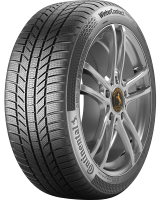
Il TS 870 P di Continental si è aggiudicato la vittoria con gli spazi di frenata sul bagnato più brevi (31,2 metri) e un'eccellente maneggevolezza sul bagnato. Ha offerto prestazioni affidabili sulla neve e un'eccellente frenata sull'asciutto, con un comfort di guida solo leggermente rigido come piccolo punto debole. I tester ne hanno elogiato il comportamento affidabile in tutte le condizioni.
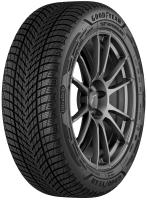
L'UltraGrip Performance 3 di Goodyear si è classificato al secondo posto, guadagnandosi la raccomandazione per le regioni con neve elevata. Ha ottenuto punteggi soggettivi perfetti per maneggevolezza sul bagnato, comfort sull'asciutto e dinamica sulla neve, con il miglior comfort di rotolamento del test. Sebbene gli spazi di frenata siano stati leggermente più lunghi rispetto al Continental, ha offerto un equilibrio eccezionale e una maneggevolezza che ispira fiducia.
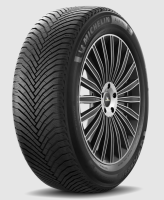
L'Alpin 7 di Michelin si è distinto sulla neve con spazi di frenata ridotti sul bagnato, ma ha mostrato un comportamento su bagnato lento e fortemente sottosterzante. La rivista ha sottolineato che la reputazione di Michelin per l'eccezionale durata del battistrada aggiunge valore a lungo termine, nonostante le peculiarità del comportamento su bagnato.
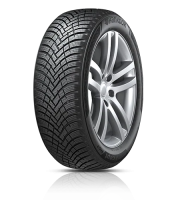
L'Hankook i*cept RS3 si è rivelato il pneumatico consigliato per il rapporto qualità-prezzo, con gli spazi di frenata sulla neve più brevi (27,2 metri) e la migliore protezione dall'aquaplaning. Ha offerto caratteristiche di guida su asciutto precise, quasi da pneumatico estivo, sebbene abbia mostrato un forte sottosterzo sulla neve e una maneggevolezza sul bagnato che richiedeva abilità di guida.
Il Wintrac Pro+ di Vredestein ha mostrato ottime prestazioni su bagnato e asciutto, ma una frenata più debole sulla neve. I test successivi hanno evidenziato significativi miglioramenti nella tenuta sul bagnato rispetto ai campioni iniziali, suggerendo problemi di affinamento nella fase iniziale della produzione.
Il Blizzak 6 di Bridgestone ha dominato la categoria neve con prestazioni invernali eccezionali, ma ha deluso sul bagnato con tendenze al sottosterzo e al sovrasterzo in fase di stacco. I miglioramenti nei campioni di vendita al dettaglio suggeriscono che il potenziale del pneumatico supera i risultati dei test iniziali.
Il Cinturato Winter 2 di Pirelli ha offerto buone prestazioni su asciutto e bagnato, ma ha avuto difficoltà in tutte le discipline sulla neve, con bassi livelli di aderenza e riserve limitate.
Pneumatici economici e ricostruiti
Il Linglong Sport Master Winter ha dimostrato prestazioni equilibrate con livelli di aderenza ridotti, con scarse capacità su neve e una scarsa maneggevolezza sul bagnato, con sovrasterzo in fase di stacco. Oltre ai problemi di etichetta e di consistenza, i tester hanno suggerito che fosse stato ottimizzato specificamente per i criteri di etichetta, trascurando la dinamica di maneggevolezza e la consistenza produttiva.
L'Eurowinter HS02 di Falken ha mostrato prestazioni particolarmente deludenti sulla neve in quasi tutte le discipline, con una maneggevolezza lenta sul bagnato e una scarsa risposta dello sterzo sull'asciutto. La rivista ha suggerito che avrebbe potuto essere sviluppato meglio come pneumatico all-season.
Il pneumatico ricostruito Profil Winter Maxx si è rivelato catastroficamente pericoloso nonostante le buone prestazioni sulla neve. La frenata sul bagnato ha richiesto 52,5 metri, oltre 21 metri in più rispetto al Continental, ottenendo zero punti. Il pneumatico scivolava semplicemente nelle curve bagnate senza alcuna resistenza e mostrava un comportamento imprevedibile sull'asciutto, probabilmente a causa delle strutture miste delle carcasse di diversi pneumatici originali. A 480 euro a treno, non era davvero economico rispetto ai pneumatici nuovi economici e non può essere consigliato.
Conclusioni
Il test ha rivelato che le etichette degli pneumatici UE rimangono indicazioni inaffidabili, in particolare per i produttori con controlli di qualità meno consolidati. Gli pneumatici invernali ricostruiti non possono offrire prestazioni sicure e versatili per l'uso invernale durante tutto l'anno. Il Continental è adatto alle condizioni tedesche, soprattutto sul bagnato, il Goodyear eccelle nelle regioni più nevose con un comfort superiore e l'Hankook offre il miglior rapporto qualità-prezzo nonostante le sue peculiarità di maneggevolezza. Le opzioni economiche hanno dimostrato che prezzi aggressivi comportano in genere compromessi significativi in termini di sicurezza di maneggevolezza e coerenza produttiva.
Asciutto
Continental è leader nella frenata su asciutto con le distanze di arresto più brevi, seguito da vicino da Linglong e Goodyear, mentre il ricostruito Profil richiede circa il 15% di spazio in più per fermarsi, un problema di sicurezza significativo che preannuncia le sue difficoltà in caso di pioggia.
Frenata su asciutto
Diffusione: 6.50 M (14.9%)|Media: 45.62 M
Frenata asciutta in metri (100 - 0 km/h) (Più basso è meglio)
Continental WinterContact TS 870 P
43.60 M
Linglong Sport Master Winter
44.50 M
Goodyear UltraGrip Performance 3
44.60 M
Bridgestone Blizzak 6
45.00 M
Falken EUROWINTER HS02
45.20 M
Pirelli Cinturato Winter 2
45.50 M
Hankook Winter I cept RS3
45.60 M
Michelin Alpin 7
45.70 M
Vredestein Wintrac Pro plus
46.40 M
Profil Winter Maxx
50.10 M
Goodyear si aggiudica il primo posto nella velocità di manovrabilità sull'asciutto, con la maggior parte degli pneumatici premium raggruppati entro 2 km/h l'uno dall'altro, anche se il Profil resta ancora una volta notevolmente indietro, con oltre 9 km/h in meno, dimostrando le sue carenze fondamentali in termini di aderenza.
Maneggevolezza su asciutto
Diffusione: 9.50 Km/H (8.6%)|Media: 108.30 Km/H
Velocità media di movimentazione a secco (Più alto è meglio)
Goodyear UltraGrip Performance 3
110.50 Km/H
Linglong Sport Master Winter
109.60 Km/H
Pirelli Cinturato Winter 2
109.50 Km/H
Bridgestone Blizzak 6
109.30 Km/H
Michelin Alpin 7
109.00 Km/H
Continental WinterContact TS 870 P
108.90 Km/H
Hankook Winter I cept RS3
108.80 Km/H
Falken EUROWINTER HS02
108.60 Km/H
Vredestein Wintrac Pro plus
107.80 Km/H
Profil Winter Maxx
101.00 Km/H
Bagnato
Continental mantiene il suo dominio in frenata sulle superfici bagnate con le distanze più brevi, mentre il divario in termini di prestazioni aumenta drasticamente: il Profil impiega ben 21,3 metri in più per fermarsi rispetto al leader, una differenza che potrebbe rivelarsi pericolosa per la vita in situazioni di emergenza.
Frenata su bagnato
Diffusione: 21.30 M (68.3%)|Media: 34.40 M
Frenata sul bagnato in metri (80 - 0 km/h) (Più basso è meglio)
Continental WinterContact TS 870 P
31.20 M
Michelin Alpin 7
31.40 M
Vredestein Wintrac Pro plus
31.90 M
Linglong Sport Master Winter
32.20 M
Hankook Winter I cept RS3
32.60 M
Goodyear UltraGrip Performance 3
32.80 M
Pirelli Cinturato Winter 2
32.90 M
Falken EUROWINTER HS02
33.20 M
Bridgestone Blizzak 6
33.30 M
Profil Winter Maxx
52.50 M
Goodyear è in vantaggio nella maneggevolezza sul bagnato, con Continental e Vredestein che gli tengono testa, mentre le prestazioni catastrofiche del Profil sul bagnato continuano con velocità superiori di oltre 13 km/h rispetto ai leader, facendogli guadagnare zero punti nella valutazione complessiva sul bagnato.
Maneggevolezza su bagnato
Diffusione: 13.80 Km/H (20.9%)|Media: 63.33 Km/H
Velocità media di gestione sul bagnato (Più alto è meglio)
Goodyear UltraGrip Performance 3
65.90 Km/H
Continental WinterContact TS 870 P
65.60 Km/H
Vredestein Wintrac Pro plus
65.60 Km/H
Hankook Winter I cept RS3
65.00 Km/H
Michelin Alpin 7
64.70 Km/H
Pirelli Cinturato Winter 2
64.60 Km/H
Linglong Sport Master Winter
63.70 Km/H
Bridgestone Blizzak 6
63.60 Km/H
Falken EUROWINTER HS02
62.50 Km/H
Profil Winter Maxx
52.10 Km/H
Hankook è in testa alla classifica per resistenza all'aquaplaning con la più alta velocità di galleggiamento, sebbene il gruppo premium rimanga strettamente raggruppato entro i 7 km/h, mentre la scarsa prestazione del Profil, 16,9 km/h al di sotto del leader, conferma la sua scarsa capacità di superare l'acqua.
Aquaplaning in rettilineo
Diffusione: 16.90 Km/H (21.1%)|Media: 75.41 Km/H
Velocità di galleggiamento in Km/h (Più alto è meglio)
Hankook Winter I cept RS3
80.00 Km/H
Goodyear UltraGrip Performance 3
78.50 Km/H
Vredestein Wintrac Pro plus
78.30 Km/H
Pirelli Cinturato Winter 2
78.20 Km/H
Continental WinterContact TS 870 P
77.40 Km/H
Falken EUROWINTER HS02
76.20 Km/H
Bridgestone Blizzak 6
75.30 Km/H
Linglong Sport Master Winter
73.60 Km/H
Michelin Alpin 7
73.50 Km/H
Profil Winter Maxx
63.10 Km/H
Nevicare
L'Hankook garantisce le distanze di arresto sulla neve più brevi, con il gruppo premium separato da soli 2 metri, mentre persino il Profil in difficoltà riesce a ottenere prestazioni rispettabili in questa categoria di test, l'unica in cui lo pneumatico ricostruito si avvicina agli standard competitivi.
Frenata su neve
Diffusione: 3.60 M (13.2%)|Media: 28.73 M
Frenata sulla neve in metri (50 - 0 km/h) (Più basso è meglio)
Hankook Winter I cept RS3
27.20 M
Profil Winter Maxx
27.70 M
Goodyear UltraGrip Performance 3
28.10 M
Bridgestone Blizzak 6
28.30 M
Michelin Alpin 7
28.40 M
Continental WinterContact TS 870 P
28.70 M
Pirelli Cinturato Winter 2
29.10 M
Linglong Sport Master Winter
29.40 M
Vredestein Wintrac Pro plus
29.60 M
Falken EUROWINTER HS02
30.80 M
Goodyear è leader nelle dinamiche di maneggevolezza sulla neve, seguito subito da Bridgestone, mentre la differenza di prestazioni di 5,6 km/h tra il migliore e il peggiore è relativamente modesta, a conferma che le capacità specifiche per l'inverno rimangono elevate nel campo di prova, anche per le opzioni più economiche.
Maneggevolezza su neve
Diffusione: 5.60 Km/H (5.7%)|Media: 95.30 Km/H
Velocità media di movimentazione della neve (Più alto è meglio)
Goodyear UltraGrip Performance 3
97.80 Km/H
Bridgestone Blizzak 6
96.80 Km/H
Profil Winter Maxx
96.70 Km/H
Michelin Alpin 7
96.50 Km/H
Continental WinterContact TS 870 P
96.10 Km/H
Hankook Winter I cept RS3
95.40 Km/H
Linglong Sport Master Winter
94.00 Km/H
Pirelli Cinturato Winter 2
93.80 Km/H
Vredestein Wintrac Pro plus
93.70 Km/H
Falken EUROWINTER HS02
92.20 Km/H
Comfort
Goodyear ottiene la migliore valutazione soggettiva di comfort con un'eccellente soppressione del rumore e un rotolamento fluido, mentre Continental, Linglong, Hankook e Falken mostrano caratteristiche leggermente più solide sui giunti trasversali, e il rimbombante e frusciante abrollgeräusch (rumore di rotolamento) del Profil gli fa guadagnare la valutazione di comfort più bassa nel test.
Comfort soggettivo
Diffusione: 6.00 Points (60%)|Media: 7.40 Points
Punteggio di comfort soggettivo (Più alto è meglio)
Goodyear UltraGrip Performance 3
10.00 Points
Vredestein Wintrac Pro plus
9.00 Points
Bridgestone Blizzak 6
8.00 Points
Michelin Alpin 7
8.00 Points
Continental WinterContact TS 870 P
7.00 Points
Pirelli Cinturato Winter 2
7.00 Points
Falken EUROWINTER HS02
7.00 Points
Hankook Winter I cept RS3
7.00 Points
Linglong Sport Master Winter
7.00 Points
Profil Winter Maxx
4.00 Points
Goodyear produce il rumore esterno più silenzioso con 71,1 dB(A), seguito da vicino da Continental e Profil, mentre lo pneumatico più rumoroso (Pirelli con 73,4 dB(A)) rimane solo 2,3 dB(A) più rumoroso, una differenza appena percettibile all'orecchio umano, a dimostrazione del fatto che gli pneumatici moderni hanno ampiamente risolto il problema del rumore.
Rumore
Diffusione: 2.30 dB (3.2%)|Media: 72.18 dB
Rumore esterno in dB (Più basso è meglio)
Goodyear UltraGrip Performance 3
71.10 dB
Continental WinterContact TS 870 P
71.40 dB
Profil Winter Maxx
71.40 dB
Michelin Alpin 7
71.50 dB
Falken EUROWINTER HS02
72.00 dB
Hankook Winter I cept RS3
72.10 dB
Bridgestone Blizzak 6
72.90 dB
Vredestein Wintrac Pro plus
72.90 dB
Linglong Sport Master Winter
73.10 dB
Pirelli Cinturato Winter 2
73.40 dB
Valore
Il Profil raggiunge la più bassa resistenza al rotolamento, seguito da Michelin e Continental a condividere il secondo posto, mentre Hankook e Linglong mostrano la resistenza più elevata, sebbene la differenza del 26% tra il migliore e il peggiore si traduca in un impatto minimo sul consumo di carburante nel mondo reale.
Resistenza al rotolamento
Diffusione: 1.70 kg / t (26.2%)|Media: 7.63 kg / t
Resistenza al rotolamento in kg t (Più basso è meglio)
Profil Winter Maxx
6.50 kg / t
Continental WinterContact TS 870 P
7.00 kg / t
Michelin Alpin 7
7.00 kg / t
Goodyear UltraGrip Performance 3
7.70 kg / t
Bridgestone Blizzak 6
7.70 kg / t
Falken EUROWINTER HS02
7.90 kg / t
Vredestein Wintrac Pro plus
8.00 kg / t
Pirelli Cinturato Winter 2
8.10 kg / t
Hankook Winter I cept RS3
8.20 kg / t
Linglong Sport Master Winter
8.20 kg / t
19,000 km
£1.45/L
8.0 L/100km
--
Differenza annuale
--
Risparmi a vita
--
Carburante/Energia extra
--
CO2 extra
Stime basate su condizioni di guida tipiche. La resistenza al rotolamento è responsabile di circa il 20% del consumo di carburante dei veicoli a combustione interna e del 25% del consumo energetico dei veicoli elettrici. I risparmi effettivi variano in base allo stile di guida, al peso del veicolo, alle condizioni stradali e all'età degli pneumatici. Solo a scopo comparativo. Risparmi a vita basati su una durata del battistrada di 40.000 km / 25.000 miglia.
Il Continental TS 870 P si aggiudica la vittoria assoluta del test grazie a prestazioni affidabili e sicure in tutte le condizioni. Sulla neve, offre un'esperienza di guida sicura e prevedibile, mentre sul bagnato offre un'aderenza eccezionale per spazi di frenata ridottissimi e un'eccellente stabilità in curva. I collaudatori lo hanno trovato particolarmente affidabile e sicuro in tutte le condizioni invernali. Anche sull'asfalto asciutto, offre le migliori prestazioni di frenata con una capacità complessiva impeccabile. Sono state riscontrate lievi limitazioni nel comfort di rotolamento, dove può risultare un po' duro sulle articolazioni trasversali, ma ciò non ne compromette lo status di scelta migliore per chi dà priorità all'aderenza sul bagnato e alla sicurezza invernale a 360 gradi.
Il Goodyear UltraGrip Performance 3 è la scelta consigliata per le regioni ricche di neve, poiché combina la resistenza invernale con eccellenti capacità polivalenti. Dimostra una tenuta di strada dinamica, neutra e molto sicura sia su neve che su asfalto bagnato, con un'ottima protezione dall'aquaplaning. Lo pneumatico è facilmente controllabile su asciutto con ampie riserve e offre il miglior comfort di rotolamento nei test. I collaudatori ne hanno elogiato le caratteristiche di maneggevolezza stabile e l'eccellente soppressione del rumore. Gli unici difetti marginali riscontrati sono stati spazi di frenata leggermente più lunghi su neve e bagnato rispetto ai migliori, ma nel complesso offre un'esperienza di guida invernale straordinariamente equilibrata e che ispira fiducia, con livelli di comfort eccezionali.
Il Michelin Alpin 7 offre prestazioni sicure e dinamiche sulla neve, con buone riserve di sicurezza in curva e brevi spazi di frenata su strade bagnate. Il pneumatico offre prestazioni equilibrate anche su asfalto asciutto. Tuttavia, i tester hanno notato un comportamento lento e fortemente sottosterzante su superfici bagnate, il che non ispira molta fiducia, e ha mostrato una certa sensibilità all'aquaplaning. Sulla neve, sebbene generalmente buona, la maneggevolezza richiede un guidatore esperto a causa delle sue caratteristiche. Il pneumatico può risultare un po' duro sulle articolazioni trasversali, compromettendo il comfort. Per esperienza, gli pneumatici Michelin sono noti per la loro durata e longevità particolarmente buone, il che aggiunge valore nonostante le peculiarità di maneggevolezza su strade bagnate.
L'Hankook i*cept RS3 offre gli spazi di frenata più brevi sulla neve e una tenuta di strada sicura sul bagnato, con la migliore protezione dall'aquaplaning nel test. Offre caratteristiche di guida molto precise, quasi da pneumatico estivo, con riserve pronunciate nelle curve asciutte. Tuttavia, lo pneumatico mostra un forte sottosterzo sulla neve che riduce la sicurezza, e può essere nervoso e sensibile alle variazioni di carico sul bagnato. Sull'asciutto, nonostante le riserve siano eccellenti, gli spazi di frenata sono leggermente più lunghi rispetto ai leader. Lo pneumatico può anche risultare duro sulle giunzioni trasversali. Nonostante queste peculiarità di maneggevolezza, rappresenta un buon rapporto qualità-prezzo e offre prestazioni sicure a 360°, il che lo rende una scelta solida per chi cerca il massimo delle prestazioni in rapporto al proprio budget.
Il Vredestein Wintrac Pro+ offre prestazioni invernali molto buone, ad eccezione di una frenata leggermente più debole sulla neve. Si distingue in particolare per la sua maneggevolezza dinamica e affidabile sul bagnato (classificata al secondo posto assoluto sul bagnato) e offre prestazioni dinamiche e reattive in curva sull'asciutto. Lo pneumatico è sempre controllabile in sicurezza sull'asciutto e offre un buon comfort. Tuttavia, la maneggevolezza sul bagnato non bilanciata e poco stabile, combinata con spazi di frenata sul bagnato leggermente più lunghi, sono punti deboli notevoli emersi nel test principale, ma che hanno mostrato un miglioramento significativo nei test successivi. Sulla neve, pur essendo generalmente competente, le prestazioni di frenata risultano leggermente inferiori. Nel complesso, rappresenta un'opzione conveniente con ottime capacità di trazione sia sul bagnato che sull'asciutto per chi vive in regioni con meno neve.
Il Bridgestone Blizzak 6 eccelle su neve e strade asciutte, ma non offre la necessaria aderenza sul bagnato. Dimostra prestazioni eccezionali sulla neve con un comportamento complessivo equilibrato, leader nella categoria neve. Su asfalto asciutto, offre una frenata sicura e un comportamento di guida facilmente controllabile con riserve pronunciate. Tuttavia, i tester hanno riscontrato che tutte le discipline su neve hanno offerto livelli di aderenza complessivamente inferiori. Il principale punto debole dello pneumatico è sulle strade bagnate, dove tende al sottosterzo con un'ottima aderenza sull'asse anteriore e mostra una tendenza al sovrasterzo in fase di stacco, sebbene freni e gestisca bene le situazioni di aquaplaning. La maneggevolezza sul bagnato sbilanciata e leggermente meno stabile gli impedisce di ottenere una valutazione più alta, nonostante i suoi punti di forza su strade invernali e asciutte.
Il Pirelli Cinturato Winter 2 è generalmente affidabile, ma presenta qualche difficoltà su strade innevate. Offre un'ottima aderenza in curva sul bagnato e una buona frenata con un comportamento sicuro in caso di aquaplaning. Sull'asciutto, offre una frenata sicura e una maneggevolezza facilmente controllabile con riserve pronunciate, sebbene possa risultare leggermente sbilanciato e con una maneggevolezza sul bagnato meno stabile. Sulla neve, lo pneumatico presenta particolari difficoltà in tutte le discipline, con livelli di aderenza relativamente bassi e riserve limitate. I tester hanno notato un rotolamento ruvido e rumorosità del profilo in curva. Le prestazioni sul bagnato sono solide, ma la notevole debolezza nella capacità di affrontare la neve lo rende più adatto a regioni con inverni più miti e condizioni prevalentemente umide e fredde, piuttosto che a nevicate intense.
Il Linglong Sport Master Winter offre prestazioni equilibrate con livelli di aderenza complessivamente ridotti, ma presenta evidenti debolezze che ne limitano l'attrattiva. Offre una frenata decente sia su asfalto bagnato che asciutto, con una buona protezione dall'aquaplaning, e mostra una maneggevolezza lenta ma facilmente controllabile su strade asciutte. Tuttavia, sulla neve dimostra prestazioni deboli in tutte le discipline, tranne che per l'aderenza in curva. Sul bagnato, lo pneumatico mostra una sterzata lenta con riserve limitate e una tendenza al sovrasterzo in staccata, il che è preoccupante. Sull'asciutto, sebbene la stabilità in curva sia scarsa, mantiene una certa competenza di base. Lo pneumatico risulta un po' ruvido sulle articolazioni trasversali. Ancora più critico, l'ottimistica classificazione A dell'etichetta UE per l'aderenza sul bagnato si è rivelata fuorviante: le prestazioni effettive non corrispondono a questa affermazione e la stabilità del processo nello stabilimento di produzione serbo appare discutibile sulla base di test successivi che mostrano variazioni significative tra i lotti di produzione.
Il Falken Eurowinter HS02 supera leggermente il suo obiettivo con prestazioni invernali deludenti, nonostante un prezzo ragionevole. Pur offrendo una frenata discreta su asfalto bagnato e asciutto, la sua principale lacuna è la capacità di affrontare la neve. Sulla neve, offre prestazioni deboli in quasi tutte le discipline con basse riserve, il che lo rende inadatto alle regioni con neve abbondante. La maneggevolezza sul bagnato è lenta, con riserve limitate e preoccupanti tendenze al sovrasterzo in fase di distacco. Sull'asciutto, sebbene i livelli di aderenza e le riserve siano adeguati, la risposta dello sterzo è scarsa e può risultare dura sulle articolazioni trasversali. Lo pneumatico produce anche un notevole rumore interno dovuto sia al rotolamento che allo sfregamento laterale in curva. Nel complesso, rappresenta un pacchetto compromesso che avrebbe potuto essere sviluppato meglio come pneumatico all-season piuttosto che come pneumatico invernale dedicato.
Il Profil Winter Maxx è uno pneumatico ricostruito in grado di gestire la neve, ma altrimenti pericoloso e inaccettabile. Sulla neve, offre sorprendentemente buone prestazioni: questa è l'unica superficie in cui mostra competenza. Tuttavia, su strade bagnate è una catastrofe con un grip inesistente: spazi di frenata superiori di oltre 20 metri rispetto alla media sono semplicemente pericolosi, scivola in curva senza resistenza, non offre protezione dall'aquaplaning e mostra una maneggevolezza imprevedibile. Anche su asfalto asciutto, fallisce completamente con frenata scarsa, slittamento in curva, rumore di rotolamento assordante e comportamento di guida non definibile. I tester hanno notato una risposta di sterzata laterale irregolare e caratteristiche di autosterzata difficili da calcolare, probabilmente dovute all'utilizzo di diverse strutture di carcassa nel processo di ricostruzione. Nonostante sia economico e abbia la più bassa resistenza al rotolamento, questo pneumatico ha ricevuto zero punti per la frenata sul bagnato e una valutazione complessiva negativa: semplicemente non può essere raccomandato in nessuna circostanza, se non forse per un uso esclusivo sulla neve.






Discussione