

Continental vs Michelin
467 test professionali in comune: Continental ha chiuso davanti in 282, Michelin in 169 e 16 sono finiti in parità. I proprietari danno a Michelin 8,1 e a Continental 7,5 su 10, su 7.310 recensioni.
La risposta in breve
 Continental
Premium · 131 pneumatici in vendita · Continental Group
 Michelin
Premium · 171 pneumatici in vendita · Michelin Group
Michelin guida in più categorie di quelle che misuriamo. Costruito da tutti i test professionali a cui hanno partecipato entrambe le marche e da tutte le recensioni dei proprietari controllate a mano che abbiamo sui loro pneumatici - le prove sono più in basso nella pagina. Dati aggiornati il 30 ottobre 2026.

Continental contro Michelin a colpo d'occhio
Continental and Michelin are both premium brands with deep testing histories - Continental (Germany, founded 1871) and Michelin (France, founded 1889) each appear in well over 500 professional tests overall.
The numbers paint a clear split: Continental more often comes out ahead in direct, like-for-like group tests, especially in summer and winter fitments, while Michelin tends to win the longer-game measures that owners feel most - wear, comfort, buy-again intent and a consistently higher review score.
| Categoria | Continental | Michelin | Vincitore |
|---|---|---|---|
| Storico test complessivo | 282 vittorie | 169 vittorie | Continental |
| Frenata su bagnato | 38,18 m | 38,83 m | Continental |
| Frenata su asciutto | 38,09 m | 37,68 m | Michelin |
| Frenata su neve | 22,84 m | 22,79 m | Michelin |
| Resistenza al rotolamento | 7,72 kg/t | 7,78 kg/t | Continental |
| Rumore | 71,22 dB | 70,94 dB | Michelin |
| Durata del battistrada (test di usura) | 44.023 km | 48.963 km | Michelin |
| Prezzo | più economico in 138 di 164 test | più economico in 21 di 164 test | Continental |
| Punteggio complessivo dei proprietari | 7,5 / 10 | 8,1 / 10 | Michelin |
Storico test testa a testa
In 467 test professionali in cui entrambe le marche hanno presentato un pneumatico, Continental ha terminato in testa in 282 e Michelin in 169 (16 pareggiati).
Per stagione
| Categoria | test condivisi | Continental | Michelin | pareggi |
|---|---|---|---|---|
| Estate | 232 | 143 | 83 | 6 |
| Inverno | 161 | 107 | 48 | 6 |
| Tutte le stagioni | 70 | 31 | 36 | 3 |
| Per tutte le stagion | 3 | 0 | 2 | 1 |
The cleanest comparison is the 449 shared tests where both brands competed and each brand is represented by its best-placed tyre - here Continental wins 273 to Michelin's 163, with 13 draws, and it also posts the stronger average finish percentile (81.6 vs 72.8). That pattern holds in recent data too: across the last 5 years (165 shared tests), Continental leads 92 to 67 with 6 draws, suggesting its test performance advantage is not just historical noise. Looking beyond head-to-heads, Continental also converts tests into top results more often overall (212 wins and a 73% podium rate from 516 tests) than Michelin (124 wins and a 58% podium rate from 521 tests).
Come contiamo: vengono utilizzati solo i test a cui entrambe le marche hanno partecipato, e ogni marca è rappresentata dal suo pneumatico meglio classificato in quel test. Le cifre delle recensioni dei proprietari e delle etichette coprono l'intera gamma attuale delle marche.
Prestazioni per metrica
In media sui test condivisi, quale marca guida ogni disciplina misurata e di quanto.
Continental ha vinto 166 test su 271 · 4,7% margine tipico
Michelin ha vinto 146 test su 263 · 3,8% margine tipico
Michelin ha vinto 119 test su 215 · 4% margine tipico
Continental ha vinto 95 test su 193 · 6,9% margine tipico
Michelin ha vinto 101 test su 178 · 1,3% margine tipico
Michelin ha vinto 77 test su 134 · 3,6% margine tipico
Continental ha vinto 61 test su 116 · 1% margine tipico
Continental ha vinto 64 test su 115 · 10,1% margine tipico
Continental ha vinto 71 test su 114 · 1,8% margine tipico
Continental ha vinto 68 test su 102 · 2,3% margine tipico
Michelin ha vinto 34 test su 86
Continental ha vinto 39 test su 85
Continental ha vinto 75 test su 126 · 5,2% margine tipico
Continental ha vinto 71 test su 125 · 2,7% margine tipico
Michelin ha vinto 61 test su 99 · 3% margine tipico
Michelin ha vinto 56 test su 92 · 7,3% margine tipico
Michelin ha vinto 46 test su 80 · 1,4% margine tipico
Continental ha vinto 29 test su 53 · 1,3% margine tipico
Continental ha vinto 35 test su 53 · 2,2% margine tipico
Continental ha vinto 28 test su 52 · 2,4% margine tipico
Continental ha vinto 32 test su 47 · 1% margine tipico
Michelin ha vinto 29 test su 47 · 8,7% margine tipico
Michelin ha vinto 22 test su 46
Continental ha vinto 23 test su 44
Continental ha vinto 47 test su 82 · 4,3% margine tipico
Michelin ha vinto 46 test su 82 · 2,7% margine tipico
Michelin ha vinto 39 test su 74 · 3,5% margine tipico
Continental ha vinto 39 test su 70 · 5% margine tipico
Michelin ha vinto 29 test su 57 · 1,3% margine tipico
Continental ha vinto 42 test su 57 · 7,7% margine tipico
Continental ha vinto 34 test su 40 · 14,2% margine tipico
Michelin ha vinto 27 test su 38 · 3,6% margine tipico
Continental ha vinto 21 test su 34 · 0,7% margine tipico
Continental ha vinto 14 test su 34 · 1% margine tipico
Michelin ha vinto 20 test su 34 · 1,6% margine tipico
Continental ha vinto 16 test su 30 · 1,5% margine tipico
Michelin ha vinto 55 test su 61 · 6,2% margine tipico
Continental ha vinto 43 test su 61 · 4,1% margine tipico
Michelin ha vinto 29 test su 50 · 4,6% margine tipico
Michelin ha vinto 28 test su 45 · 4,4% margine tipico
Continental ha vinto 21 test su 43 · 5,1% margine tipico
Michelin ha vinto 26 test su 40 · 1,2% margine tipico
Michelin ha vinto 18 test su 29 · 0,9% margine tipico
Continental ha vinto 22 test su 27 · 2,1% margine tipico
ognuno ha vinto 13 di 27 test
Continental ha vinto 12 test su 27 · 2,5% margine tipico
Michelin ha vinto 19 test su 23 · 4% margine tipico
Continental ha vinto 17 test su 19 · 1,8% margine tipico
Across individual test metrics, the brands trade places depending on what you value. Continental's calling cards are wet-road control and efficiency-leaning lab metrics: it leads Wet Braking (38.07 m vs 38.71 m, 153 wins to 101), Wet Handling (75.18 vs 74.66 km/h, 67 wins to 35, and also 69.83 vs 70.58 s, 64 wins to 33), plus Curved Aquaplaning (9.06 vs 8.95 m/sec2, 60 wins to 45) and Rolling Resistance (7.72 vs 7.78 kg/t, 89 wins to 83). Michelin's strengths cluster around dry-road stopping, refinement, and winter traction and durability: it leads Dry Braking (37.53 m vs 37.96 m, 138 wins to 104), Straight Aquaplaning speed (80.02 vs 79.78 km/h, 114 wins to 86), Noise (70.91 vs 71.19 dB, 95 wins to 67), and it has the stronger snow and ice set - Snow Braking (22.74 m vs 22.88 m, 67 wins to 49) and Ice Braking (14.06 m vs 14.74 m, 21 wins to 8). The biggest separation is wear testing: Michelin leads by a wide margin (49,351.52 km vs 44,615.8 km, 38 wins to 11).
Il margine tipico è il divario medio tra i due marchi all'interno di un singolo test. Le condizioni di test variano, quindi può essere maggiore della differenza tra le medie generali mostrate. I punteggi giudicati utilizzano una scala diversa in ogni test, quindi solo il record delle vittorie è comparabile.
Quale marca vince ogni stagione
Vittorie testa a testa per stagione.
Continental è avanti qui per 143 a 83
- Continental eccelle in
- Rumore soggettivo
- Michelin eccelle in
- Abrasione
Continental è avanti qui per 107 a 48
- Continental eccelle in
- Maneggevolezza su asciutto soggettiva
- Michelin eccelle in
- Rumore soggettivo
Michelin è avanti qui per 36 a 31
- Continental eccelle in
- Maneggevolezza su bagnato soggettiva
- Michelin eccelle in
- Abrasione
By season, the head-to-head record is decisive in summer and winter, and flips in all-season. In Summer shared tests (228), Continental wins 142 to Michelin's 81 (5 draws), aligning with Continental leading key summer dynamics like wet braking (74 wins to 49), dry braking (70 to 48), dry handling (29 to 24) and wet handling (28 to 23), while Michelin counters with straight aquaplaning resistance (61 wins to 35), rolling resistance (55 to 30) and noise (46 to 28). In Winter shared tests (154), Continental again leads overall (103 wins to 46, with 5 draws) and dominates winter efficiency and water clearing measures like rolling resistance (41 wins to 10) and curved aquaplaning (32 to 5), but Michelin is the more consistent bet for snow traction metrics - snow braking (40 wins to 30) and snow traction (25 to 10), and it also edges dry braking in winter (37 wins to 30). All Season is where Michelin takes the overall head-to-head lead: across 63 shared tests it wins 33 to 27 (3 draws), driven by big advantages in all-season dry braking (51 wins to 3), straight aquaplaning (25 to 15), noise (22 to 13) and dry handling (17 to 9), while Continental retains clear strengths in all-season wet braking (37 wins to 17) and wet handling (20 to 4).
Cosa dicono i proprietari
Recensioni dei proprietari, controllate a mano prima della pubblicazione e ponderate in base al numero di recensioni di ciascun pneumatico. La proprietà non viene verificata.
Owner feedback reinforces the durability and comfort narrative for Michelin. From 3,961 reviews, Michelin averages 8.05 out of 10 overall vs Continental's 7.46 from 3,168 reviews, with Michelin ahead on the ownership signals that typically drive repeat purchasing: Wear (7.97 vs 6.62) and Buy Again (7.7 vs 6.63). Michelin is also rated higher for comfort (8.13 vs 7.58) and both wet and dry grip (8.18 vs 7.92 wet, 8.72 vs 8.52 dry). Continental still scores strongly where its testing record suggests it should - solid dry grip and wet grip - but owners report a noticeably lower wear experience than Michelin despite similar reported mileage per review (14,516 vs 13,542).
Prezzo e valore
Quanto dura ogni marca e come si confrontano in prezzo.
Durata del battistrada (test di usura)
Michelin è durato più a lungo nei test di usura, vincendo 44 di 57 test con una media di 17%.
Prezzo
Continental è stato il più economico dei due in 138 di 164 test condivisi.
In media, Continental è costato circa 7% in meno di Michelin.
Value splits into two different stories: purchase price and how long the tyre lasts. On price within shared tests (153 samples), Continental is cheaper on average versus Michelin by 7%, and it is cheaper in far more of those tests (128 vs 20), so it tends to be the lower-cost way into premium-level performance. But on tread life, Michelin is the longer-lasting option in controlled wear testing: across 50 wear tests it averages 49,351.52 km vs Continental's 44,615.8 km, winning 38 to 11 - a 15.9% average gap in Michelin's favour. In other words, Continental often wins on up-front spend, while Michelin more often repays with longer service life, which can narrow or outweigh the price difference depending on your annual mileage.
Efficienza del carburante e etichette UE
Gamma attuale
Quanto è ampia l'attuale gamma di ciascun marchio.
Continental
| Autovettura passegge | SUV e 4x4 | Motociclo | Di | |
|---|---|---|---|---|
| Estate | 37 | 7 | 16 | 4 |
| Tutte le stagioni | 19 | 16 | 1 | 2 |
| Inverno | 23 | 3 | - | 2 |
| Per tutte le stagion | 1 | - | - | - |
Michelin
| Autovettura passegge | SUV e 4x4 | Motociclo | Di | |
|---|---|---|---|---|
| Estate | 47 | 9 | 39 | 2 |
| Tutte le stagioni | 23 | 15 | 9 | 2 |
| Inverno | 17 | 6 | 1 | - |
| Per tutte le stagion | 1 | - | - | - |
Michelin offers the broader catalogue by active tyre models (169 vs 127), which increases the odds of finding a Michelin that matches a specific niche or vehicle type, especially in summer (96 summer models vs 64) and all-season (48 vs 34). Continental counters with substantially wider size coverage overall (5,526 total sizes vs Michelin's 3,012), which matters if you drive a less common wheel size or need exact fitment availability. In the specialist corners, Michelin lists more all-terrain tyres (6 vs 4) and slightly more EV-marketed tyres (3 vs 2), while both brands show just 1 all-weather model in the range data.
Scelte consigliate per categoria
I pneumatici attuali meglio valutati di ciascun marchio, per stagione.
Estate
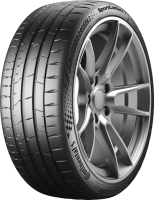
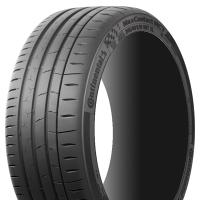
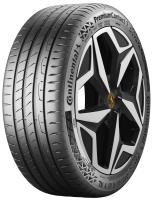
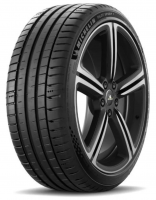
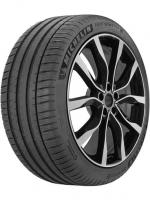
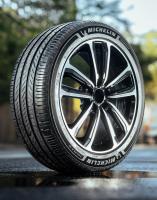
Tutte le stagioni
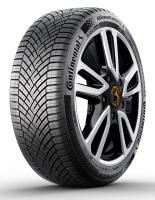
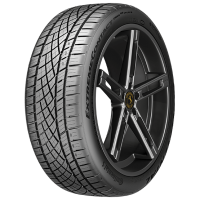

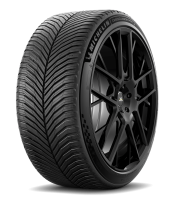
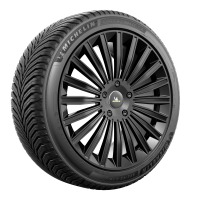
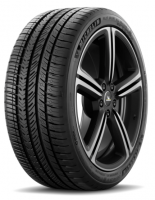
Inverno
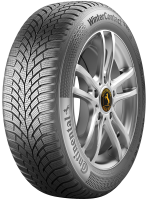
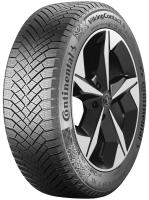
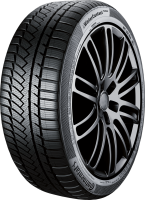
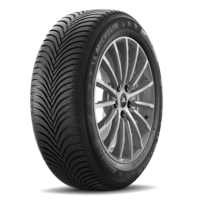
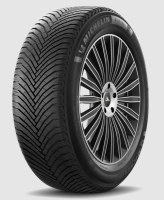
Per tutte le stagion
 SecureContact AW
8,5 punteggio
 CrossClimate 2 AW
9,4 punteggio
Confronti popolari di pneumatici Continental vs Michelin
Confronti testa a testa tra pneumatici specifici di questi marchi.
 Continental AllSeasonContact 2 vs Michelin CrossClimate 2
 Continental PremiumContact 7 vs Michelin Primacy 5
 Continental SportContact 7 vs Michelin Pilot Sport 5
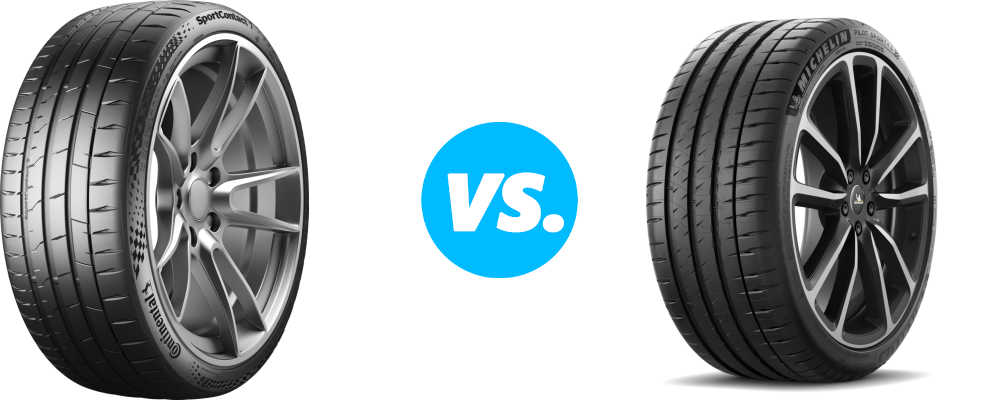 Continental SportContact 7 vs Michelin Pilot Sport 4 S
 Continental PremiumContact 7 vs Michelin Pilot Sport 5
 Continental VikingContact 8 vs Michelin X Ice Snow
Domande frequenti
È Continental migliore di Michelin?
In 467 test professionali condivisi, Continental ha terminato davanti a Michelin in 282 (16 pareggiati) e ha un punteggio di recensione dei proprietari più alto di 7,5 contro 8,1 su 10. Michelin è avanti quanto a recensioni dei proprietari e durata del battistrada.
Qual è migliore sul bagnato, Continental o Michelin?
In Frenata su bagnato, Continental ha registrato in media 38,18 m rispetto a 38,83 m, vincendo 166 di 271 test condivisi. In Handling su bagnato, Continental ha registrato in media 75,17 km/h rispetto a 74,6 km/h, vincendo 71 di 114 test condivisi.
Quale dura di più, Continental o Michelin?
Nei test di usura dei pneumatici indipendenti su 57 test condivisi, Michelin è durato di più, con una media di 48.963 km contro 44.023 km (circa 17% più lontano) e vincendo 44 di essi. La durata del battistrada valutata dai proprietari concorda, a 8 contro 6,6 su 10.
Quale è più economico, Continental o Michelin?
Continental è di solito la scelta più economica, risultando più basso in 138 di 164 test condivisi, in media circa 7% in meno di Michelin.
Quale è migliore in inverno, Continental o Michelin?
Su 161 test invernali condivisi, Continental ha chiuso davanti in 107. Il 35% della sua gamma attuale è certificato invernale 3PMSF, contro il 43% di Michelin. In Frenata su neve, Michelin ha registrato in media 22,79 m rispetto a 22,84 m, vincendo 77 di 134 test condivisi.
Quale marca è più efficiente in carburante, Continental o Michelin?
L'economia di carburante e l'autonomia dei VE dipendono dalla resistenza al rotolamento. In Resistenza al rotolamento, Continental ha registrato in media 7,72 kg/t rispetto a 7,78 kg/t, vincendo 95 di 193 test condivisi. 46% della gamma attuale di Continental ottiene un voto A o B per l'efficienza del carburante UE, rispetto al 38% per Michelin.
Qual è migliore per le auto elettriche, Continental o Michelin?
Per un VE, le priorità sono bassa resistenza al rotolamento per l'autonomia e basso rumore per un abitacolo silenzioso. Nei test di resistenza al rotolamento, che influenzano direttamente l'autonomia del VE, Continental ha superato 95 in 193 test condivisi. Michelin elenca attualmente anche 3 pneumatici specifici per VE rispetto a 2 per Continental.
Quale marca è più silenziosa e confortevole, Continental o Michelin?
I proprietari valutano Michelin più in alto per il comfort, con 8,1 contro 7,6 su 10. In Rumore, Michelin ha registrato in media 70,94 dB rispetto a 71,22 dB, vincendo 101 di 178 test condivisi.
I proprietari comprerebbero di nuovo Continental o Michelin?
I proprietari di Michelin sono più propensi a riacquistare la stessa marca, con un punteggio di 7,7 contro 6,6 su 10 sulla domanda se riacquisterebbero, basato su 7.310 recensioni combinate.
Verdetto finale
If you prioritise outright performance in comparative group tests - especially summer and winter fitments and wet-road security measures - Continental has the stronger record, leading the shared-test head-to-head (273-163) and outperforming Michelin on average finish percentile (81.6 vs 72.8). If your priorities are longevity, comfort and a higher chance you will be happy after thousands of miles, Michelin stands out with longer wear-test life (49,351.52 km vs 44,615.8 km) and the higher owner score (8.05 vs 7.46), plus it leads the all-season head-to-head (33-27).
Overall lean: Continental leads in more test-outcome categories and is more often the cheaper premium buy, while Michelin leads the ownership-value categories that reduce replacement frequency and improve day-to-day satisfaction. Choose Continental if you want maximum odds of a top placing in independent tests for your season and strong wet performance at a typically lower price; choose Michelin if you want to optimise for tread life, comfort, and a stronger all-season and long-term ownership experience.